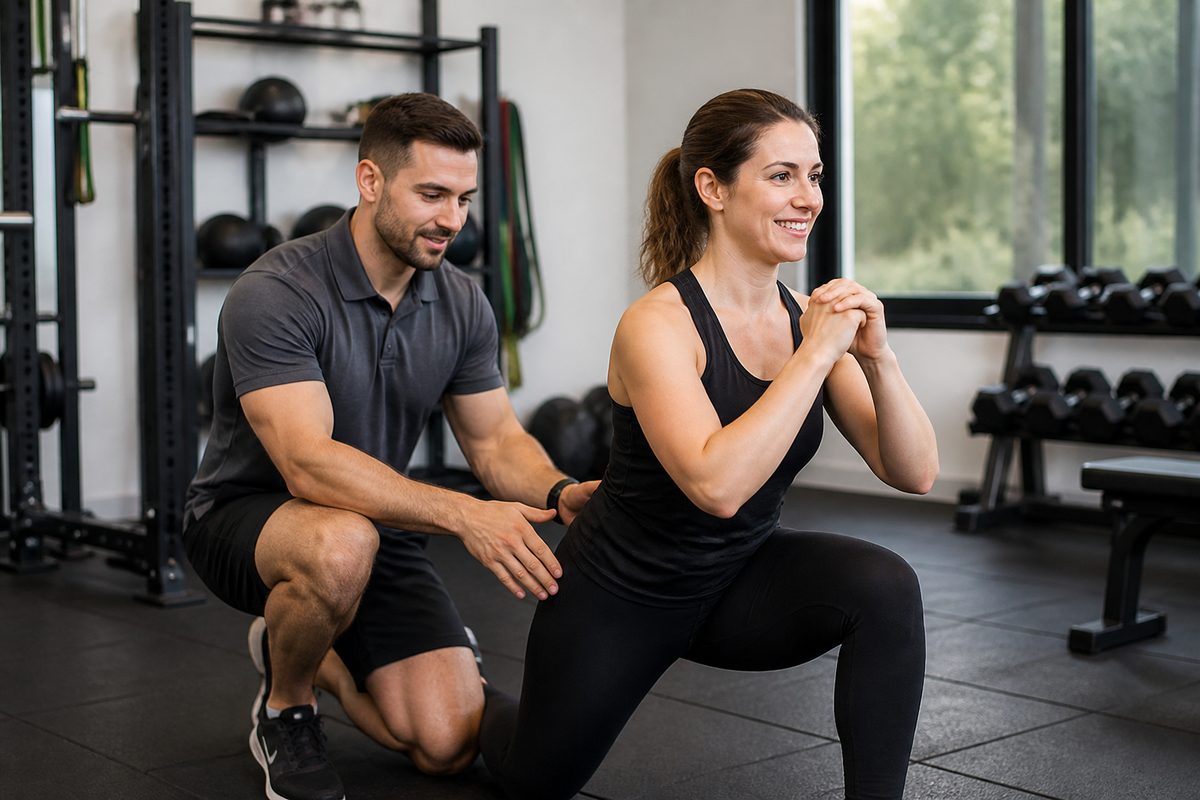
Advertised personal training prices surfaced for Ringwood start at about $40 per session and reach $139 per session. This is an advertised range, not a verified average or a fixed local rate. The offers may cover different session lengths, coaching formats and service levels.
Ask each trainer for the total price of a 60-minute, one-to-one session. That gives you a clear starting point. You can then compare what the fee includes, where the training happens and which extra charges apply.
Why do advertised Ringwood PT prices vary so much?
A PT session is not a standard product. Two trainers can use the same words to describe services that differ in length, direct attention and work completed outside the appointment.
The advertised figures of $40 to $139 per session show how wide the market can appear. They do not prove that every service within that range offers a full hour of one-to-one coaching. They also do not show which price is common across Ringwood.
A quote may refer to:
- A private session with one trainer and one client
- A shared appointment with another client
- A small group workout
- A shorter appointment sold at a per-session price
- A session that includes an assessment or progress review
- A service with planning and support outside the gym
Each format provides a different amount of direct coaching. A low headline price may suit someone who wants a simple supervised workout. Another person may need close help with exercise choice, strength training technique or a routine built around a clear goal.
Start by checking the unit being sold. The word session tells you that an appointment exists. It does not tell you how long it lasts or how many people share the trainer.
A useful quote should state the duration, number of participants and total amount payable. If any of those details are missing, the price is incomplete.
Is the advertised session really a full hour?
A per-session fee cannot be compared fairly until you know the booked duration. A 60-minute session and a shorter appointment may carry similar labels, yet they provide different amounts of trainer time.
Ask for the scheduled start and finish time. Then ask whether the full booking is used for active coaching. Some appointments may include a discussion, basic assessment, exercise setup or progress check. Those tasks can be useful, but they should be clear before you pay.
Confirm these details:
- Booked duration: Is the appointment scheduled for 60 minutes?
- Coaching time: Does the trainer remain with you for the full booking?
- Participant count: Is the session private, shared or delivered to a group?
- Session purpose: Is it a workout, an assessment or a mix of both?
- Setup time: Does changing equipment or moving through the gym use part of the appointment?
Direct attention also matters. One-to-one coaching gives the trainer the full appointment to watch your movement, change the routine and answer questions. In a shared format, the trainer divides that attention among participants. Shared training may still suit your needs, but it should not be treated as the same product when you compare quotes.
Consider a hypothetical choice between two services with the same advertised session fee. One offers private coaching. The other places several people in the same workout. The price looks equal, but the service is different because the trainer's attention is divided in the second format. The point is not that one format is always better. The point is that the label alone hides the difference.
Do not assume that a longer booking offers better value either. Ask what will happen during the time. A clear plan and direct coaching may matter more to you than simply being present in a gym for 60 minutes.
What can make one trainer’s hourly quote higher?
The coaching format and included service can affect the quoted price. Trainer experience may also shape the offer, especially when the client wants more planning, closer review or help with a specific type of training.
A basic service may focus on supervising the workout booked for that day. A broader service may include an initial discussion, routine design and later adjustments. Some trainers may provide progress reviews or support between sessions. You need the written inclusions to know which service you are buying.
Ask what happens before and after each appointment:
- Who designs the workout routine?
- Is the routine changed as training progresses?
- How is progress reviewed?
- Can you ask questions between booked sessions?
- Will the trainer record exercises completed during the appointment?
- Does the quote include an initial assessment?
Your goal can change the type of coaching you seek. A person learning basic gym movements may value patient instruction and regular technique checks. Someone focused on strength training may want careful exercise progression. A person pursuing weight loss may want a routine that matches their current fitness and preferred form of exercise.
These goals do not prove that a higher fee will deliver a better result. Price is not a quality score. A costly trainer may offer services you do not need, while a lower-priced trainer may provide the right level of coaching for your routine.
The better question is whether the service fits the job you want done. If you need help learning exercises, ask how the trainer teaches and checks them. If you struggle to follow a routine, ask how the plan is recorded and reviewed. If you already train with confidence, you may place more value on program design than close supervision during every workout.
Trainer fit has practical value as well. Clear instructions, reliable booking practices and a coaching style you understand can affect whether the service works for you. These points are hard to judge from an hourly price, so discuss them before making a commitment.
Does the PT price include gym access and other fees?
Gym membership and personal training are separate products unless the provider clearly bundles them. Paying a trainer may not give you general access to the gym. A gym membership may not include personal training.
Ask whether you need an active membership to attend the session. If you are training at a gym where you are not a member, confirm whether an entry fee applies. Do not assume the trainer's quote covers access to the building or equipment.
Other conditions can change the value of a quote even when the session price stays the same. Check for:
- A separate gym membership
- A casual entry fee
- An initial assessment charge
- A minimum number of bookings
- Payment required before the session
- A cancellation or missed-session charge
- An expiry date for prepaid sessions
- Limits on when sessions can be booked
Cancellation terms deserve close attention. A session can become poor value if your schedule often changes and the booking cannot be moved. Ask how much notice is required and what happens if the trainer cancels.
Location can affect the service structure too. Training may take place inside a gym, in a private studio or through another agreed format. The venue can change what equipment is available and whether access costs sit outside the PT fee. Ask for the exact training location before accepting the quote.
Get the conditions in writing. A clear message or formal quote gives you something concrete to compare. It also reduces the risk of finding an added fee after you have chosen a trainer.
Keep this comparison focused on the individual appointment. Monthly cost is a separate decision because it depends on booking frequency and commitment terms. First establish what one 60-minute service costs and includes.
How can you compare PT quotes on equal terms?
Send every Ringwood personal trainer the same written request. A standard question removes much of the guesswork because each trainer responds to the same duration, format and list of inclusions.
You can use this message:
“Please send me the total price for one 60-minute, one-to-one personal training session. Please confirm whether gym access, an initial assessment, routine design and progress reviews are included. Also tell me about minimum bookings, prepayment and cancellation terms.”
When replies arrive, place the details under the same headings:
- Total price payable for the appointment
- Exact session duration
- Private or shared coaching
- Gym access included or separate
- Assessment included or separate
- Routine design and review
- Booking commitment
- Cancellation conditions
Reject vague comparisons. “From $40” does not confirm what your chosen service will cost. “Per session” does not confirm an hour. “Personal training” does not confirm private coaching. Ask the trainer to fill each gap.
Then judge the quote against your actual need. If two trainers provide the same duration and format, compare the coaching included. If the formats differ, decide whether private attention, shared training or extra planning matters more to you.
A trial appointment can help you assess the service before a longer commitment, if the trainer offers one. Confirm its duration, price and purpose first. A trial described as an assessment may not match a normal workout session.
Your next step: send the written quote request to each trainer you are considering, then book only after the reply confirms the total 60-minute price and every included cost.